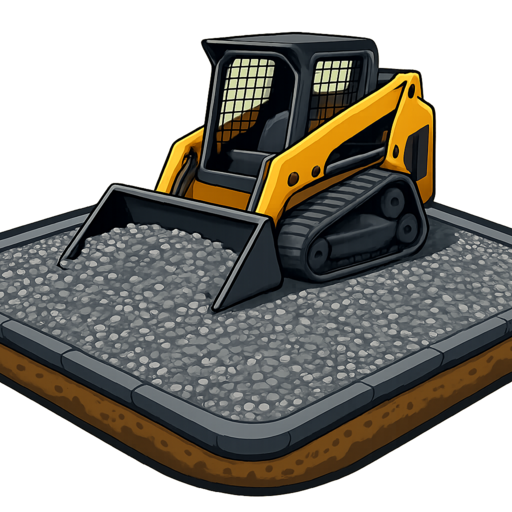
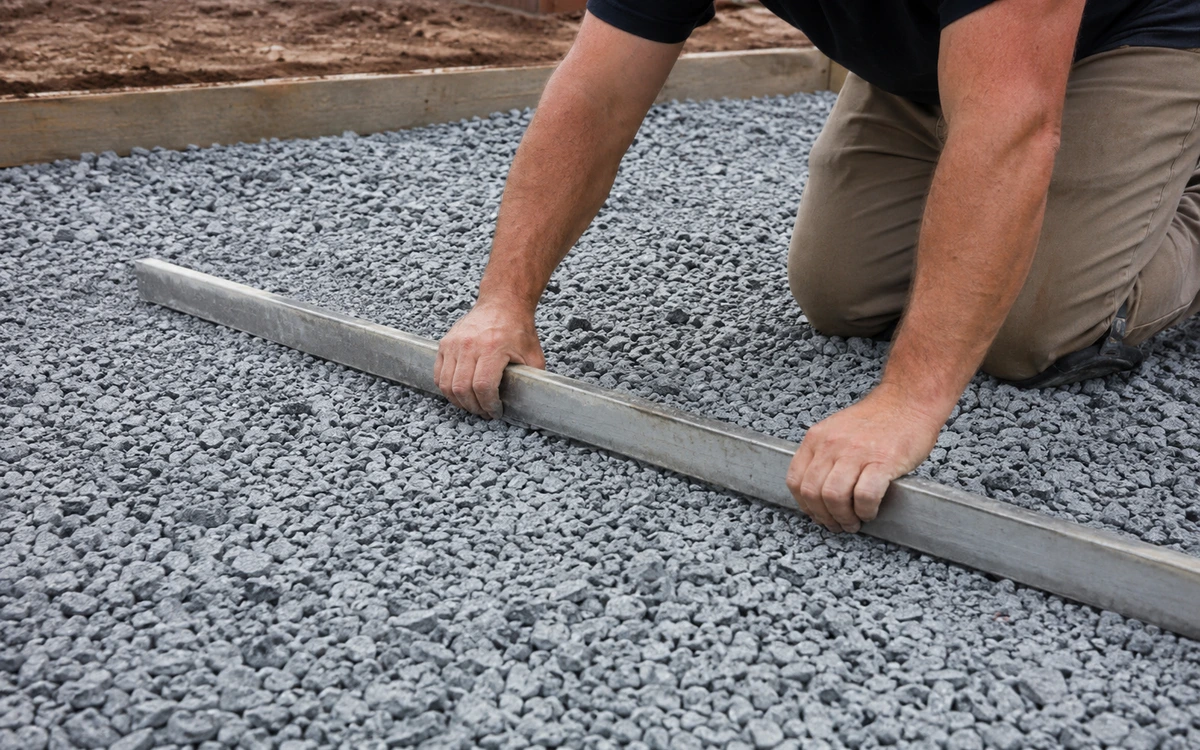
We provide professional gravel pad installation services in St. Louis, MO for unstable ground, poor drainage, and areas requiring a durable base for sheds, garages, equipment, or other structures. Installation includes grading the site, placing compacted aggregate, and creating a level load-bearing surface that improves drainage and provides long-term support. Request a quote today.
What Is a Gravel Pad and Why Is It Used for Sheds, Garages, and Other Structures?
A gravel pad is a compacted stone foundation designed to provide a stable, well-drained base for structures such as sheds, garages, cabins, and storage buildings. It helps distribute weight evenly while reducing settling, moisture problems, and soil movement beneath the structure.
How Can Seasonal Weather Affect Gravel Pad Installation Around St. Louis?
Heavy spring rains and periods of summer dryness can place stress on exposed soil surfaces. Properties near the Missouri River floodplain and throughout areas bordering Forest Park often experience changing ground conditions over time. Installing a gravel pad helps create a firmer and more stable base.
Gravel Pad Vs. Concrete Slab: Which Foundation Is Better?
A gravel pad is usually better when drainage, flexibility, and lower site disturbance are priorities, while a concrete slab provides a permanent solid surface. The right choice depends on the structure's weight, local soil conditions, and how the building will be used.
Why Is My Shed or Building Sinking Without a Proper Gravel Pad?
Structures can sink when they are placed directly on soil because the ground shifts, compresses, and retains moisture over time. A properly built gravel pad uses compacted aggregate to create a stable base that resists settlement and uneven movement.
What Type of Gravel Is Best for a Building Pad Foundation?
Crushed stone with angular edges is typically the best material for a building pad because it locks together during compaction. Rounded river rock is usually avoided because the stones shift under load and do not create the same level of stability.
How Thick Should a Gravel Pad Be for Long-Term Stability?
Most gravel pads are built several inches thick over properly prepared ground to support the expected weight of the structure. The final thickness depends on soil conditions, drainage requirements, and whether the pad will support light storage or heavier vehicles and equipment.
Does a Gravel Pad Help Prevent Drainage and Moisture Problems?
Yes, a properly installed gravel pad helps move water away from the structure and reduces moisture buildup beneath the floor. Good drainage helps prevent rot, frost heave, mud accumulation, and foundation movement caused by saturated soil.
How Much Does Gravel Pad Installation Cost in St. Louis, MO?
Gravel pad installation costs in St. Louis, MO typically range between $1,296 and $5,875, with average pricing depending on pad size, required gravel depth, site accessibility, and the amount of grading or excavation needed to prepare the area. Pricing can also vary based on soil conditions, geotextile fabric installation, drainage requirements, compaction specifications, and the type of gravel selected for the project.